If you’ve noticed those tiny black specks on your cat’s chin that look like “poppy seeds” or dirt, you’ve likely already Googled the solution. The most common advice? “Switch to ceramic bowls.”
So you did. You bought a cute ceramic dish, yet those stubborn blackheads turned into red bumps, or worse, bleeding sores. It’s frustrating. You’re doing everything “by the book,” but your cat’s skin isn’t clearing up.
The truth is, while the bowl material matters, cat chin acne (feline follicular keratinization) is a bit more complex. If you’re only swapping the bowl without addressing these three hidden household triggers, you’re just putting a band-aid on a biological leak.
1. The “Micro-Pore” Trap: Not All Ceramic is Created Equal
We often recommend ceramic because it’s non-porous compared to plastic. However, many mass-produced pet bowls use low-quality glazes that develop micro-cracks over time.
Even if the bowl looks clean to the human eye, acne-causing bacteria like Staphylococcus hide in these microscopic fissures. When your cat eats, their chin rubs against these “bacteria traps,” leading to localized infection.
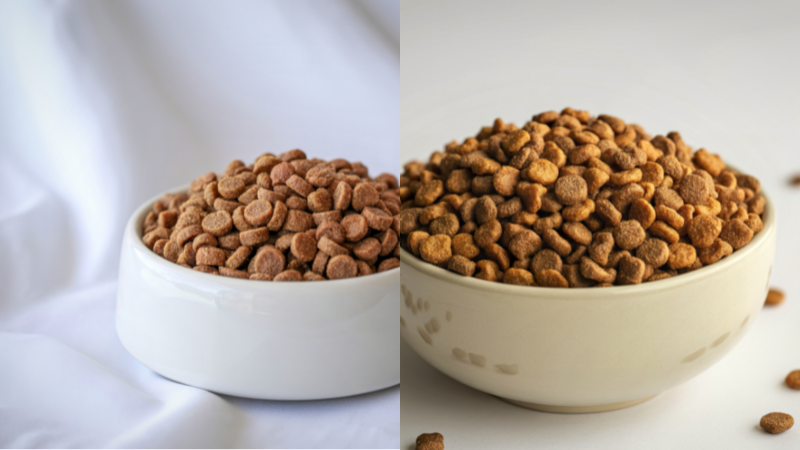
Pro Tip: If your ceramic bowl has a “crackle” finish or feels slightly rough, it’s harboring a biofilm that soap can’t reach. Stick to high-fired, smooth porcelain.
2. The Biofilm in the Water Fountain: A Silent Trigger
This is the most overlooked trigger in feline skin care. Many owners obsess over the food bowl but forget the water fountain.
Have you ever felt a slimy film on the bottom of the water tank? That’s Biofilm. It’s a colony of bacteria that sticks to surfaces. When your cat drinks, their chin is essentially being marinated in a bacterial soup.
- The Problem: Most filters only catch hair; they don’t kill the bacteria living on the plastic pump or silicone tubes.
- The Fix: You need to deep-clean the fountain with a diluted vinegar solution or pet-safe sanitizer at least once a week.
3. Oxidized Fats and the “Dirty” Kibble Bin
Even if you have a solid cat chin acne treatment routine, the food itself might be the culprit.
When dry cat food is exposed to air, the fats begin to oxidize. These rancid fats are highly irritating to a cat’s sensitive chin. Furthermore, if you pour new food on top of old crumbs in a plastic storage bin, those old fats coat every new pebble of kibble.
Comparison: Household Risk Factors
| Trigger | Why it happens | The Quick Fix |
| Plastic Bins | Plastic absorbs fats/oils | Use glass or stainless steel storage |
| Dirty Sponges | Cross-contamination | Use a dedicated silicone scrubber |
| Bowl Depth | Friction & whisker fatigue | Use shallow, wide-rimmed bowls |
How to Treat Cat Chin Acne at Home (The Safe Way)
Before you reach for the medicine cabinet, stop. Avoid using human acne medication or high-concentration alcohol—it’s too harsh.
- Warm Compress: Soak a clean cloth in warm water or diluted unscented Epsom salts and hold it to the chin for 30 seconds. This softens the “poppy seeds.”
- Gentle Cleansing: Use a cotton pad with 0.1% Chlorhexidine or a vet-recommended feline skin flush.
- The “Dry” Rule: After your cat eats or drinks, gently pat their chin dry. Bacteria love moisture.
FAQ: Why Does Feline Acne Keep Coming Back?
Q: Can stress cause blackheads on cats? A: Absolutely. Stress increases cortisol, which can trigger overproduction of skin oil (sebum), leading to clogged pores.
Q: Is cat chin acne contagious? A: No. It is an individual skin reaction, though if multiple cats use the same dirty bowl, they may all develop it.
Q: When should I see a vet? A: If the chin is swollen, bleeding, or has a foul odor, it likely has a secondary infection that requires antibiotics.
The Purrlipaw Solution
If you’re tired of the “Buy-Try-Fail” cycle, look at the geometry of your cat’s bowl. Our High-Density Ceramic Series isn’t just about the material—it’s about the 15-degree tilt and wide-rim design that prevents “chin-rubbing” entirely.
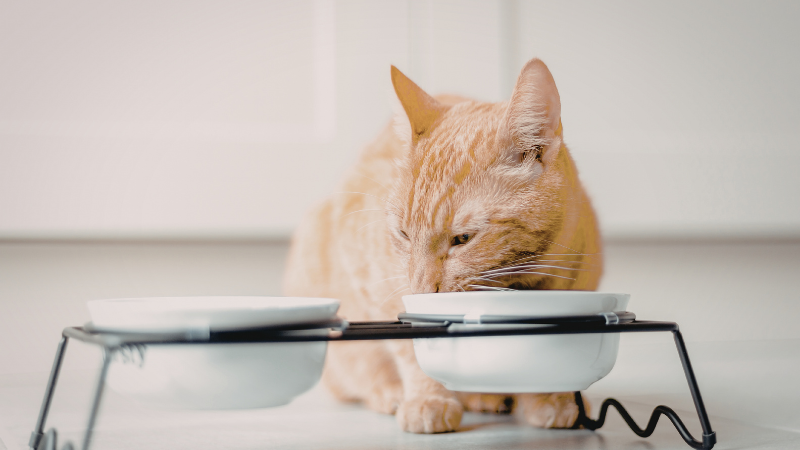
Ready to clear the “coal dust” for good? [Check out our Anti-Acne Ceramic Collection.]