
If there were a beauty pageant for the canine world, the Siberian Husky would likely hold the crown indefinitely. With their striking wolf-like features, piercing blue eyes, and thick, plush coats, they are the supermodels of the dog world.
However, as a dedicated pet health blogger, I always tell prospective owners: “You don’t just own a Husky; you enter a partnership with a high-energy primitive soul.” Originally bred by the Chukchi people of Siberia to pull sleds over vast distances, the Siberian Husky is a dog designed for endurance, cold, and community.
In this guide, we’ll dive deep into the reality of raising siberian husky dog puppies, managing their “talking” habits, and answering the crucial question: how long do siberian huskies live?
2: Bringing Home the Magic: Siberian Husky Dog Puppies
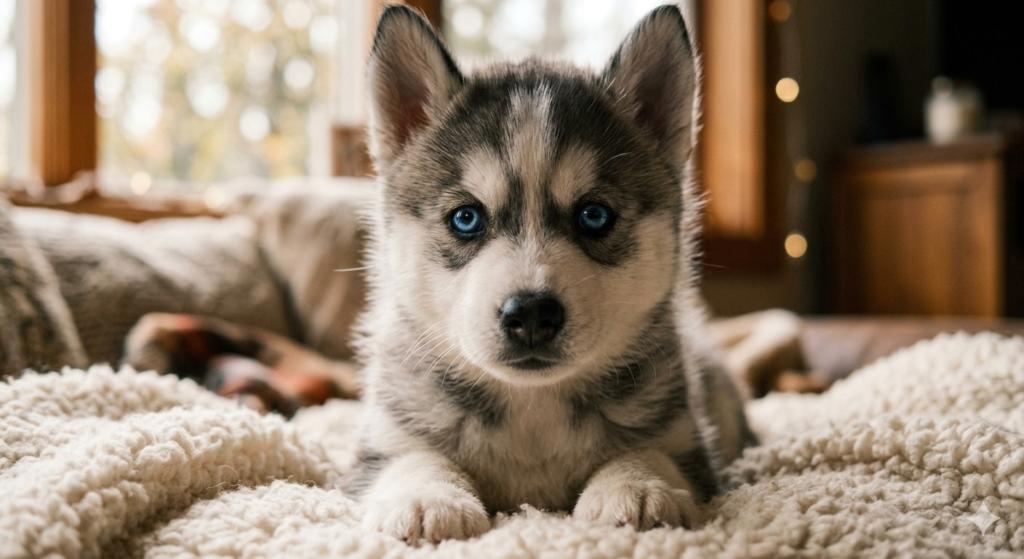
The journey often begins with a search for siberian husky dog puppies. While those tiny, blue-eyed bundles of fur are irresistible, the first few months are a marathon, not a sprint.
Finding the Right Puppy Husky Siberian
When looking for a puppy husky siberian, your most important task is vetting the breeder. A responsible breeder will prioritize health screenings over “designer” eye colors.
- The Health Check: Ensure the parents have clearances from the Orthopedic Foundation for Animals (OFA) for hips and the Canine Eye Registry Foundation (CERF) for cataracts.
- The Temperament: A well-bred puppy husky siberian should be curious and bold, not shy or aggressive.
The Critical Socialization Window
The first 3 to 16 weeks of a husky’s life are the “golden window.” During this time, your siberian husky dog puppies need to encounter at least 100 different people, sounds, and environments. Because Huskies have a high “prey drive,” introducing them to cats and other small pets early is essential—though you should never leave them unsupervised.
The Husky Lifestyle: Energy, Training, and Escapology
If a Siberian Husky doesn’t have a “job,” they will find one—and you probably won’t like it. Their “jobs” usually involve deconstructing your leather sofa or re-landscaping your garden.
The “Urban Mushing” Reality
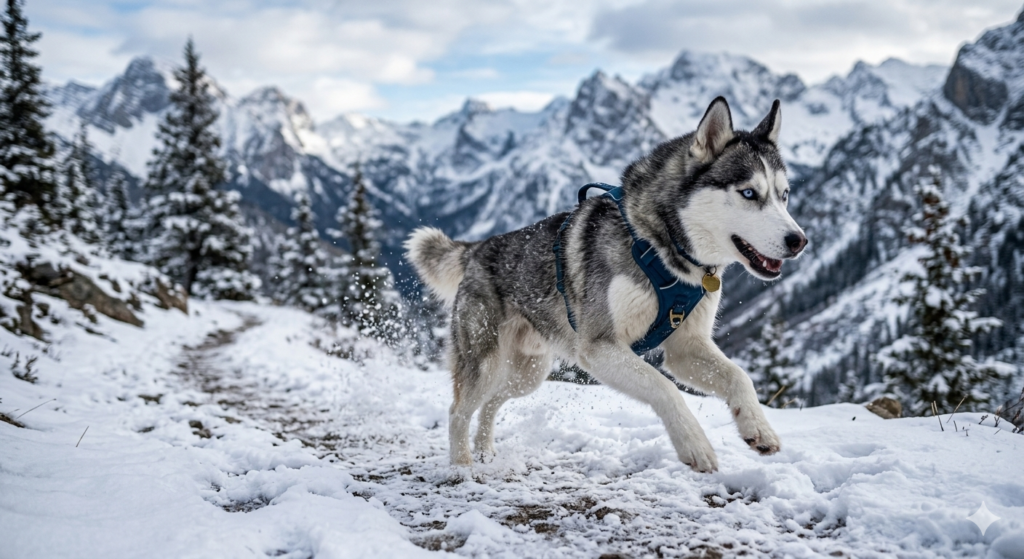
Huskies aren’t built for a 15-minute stroll around the block. An adult Siberian Husky needs at least 5 to 8 miles of movement daily to remain mentally stable.
- The Solution: Many owners are turning to “Bikejoring” or “Skijoring.” Using a specialized X-back harness, your Husky can pull you on a bike or skis, fulfilling their ancestral drive to lead.
- Mental Work: Puzzle toys and scent work are great for rainy days, but they are no substitute for physical exertion.
The Houdini of Dogs
Huskies are world-class escape artists. They don’t just “run away”; they go on “unauthorized solo expeditions.”
- The 6-Foot Rule: A 4-foot fence is merely a suggestion to a Husky. You need a 6-foot (1.8m) fence, preferably with “coyote rollers” on top or buried wire at the bottom to prevent digging.
- Real Case: I once knew a Husky named Koda who learned to operate a sliding glass door by standing on his hind legs. Always double-lock your exits!
2: Siberian Husky Grooming & Heat
The famous Husky “double coat” is a masterpiece of nature, but it requires a specialized maintenance schedule.
Surviving the “Blow-Out” Season
Twice a year, usually in spring and fall, your Husky will “blow” their coat. This isn’t just shedding; it’s a snowstorm of fur.
- The Tool Kit: You’ll need an Undercoat Rake and a high-velocity pet dryer.
- Pro Tip: Never, ever shave a Siberian Husky. Their coat acts as a thermal regulator, insulating them against both cold and heat. Shaving them can lead to heatstroke and permanent skin damage.
Summer Safety: The 80°F Threshold
While they are adaptable, Huskies struggle when temperatures exceed 80°F (26°C).
- Early Birds: During summer, walk your Husky before 7:00 AM or after 8:00 PM.
- Paws on Pavement: If the asphalt is too hot for the back of your hand, it’s too hot for their paws. Stick to shaded trails.
Health and Longevity: How Long Do Siberian Huskies Live?
One of the most frequent questions I get from potential owners is: how long do siberian huskies live?
On average, a healthy Siberian Husky will live between 12 to 15 years. They are a remarkably hardy breed with fewer genetic issues than many other purebreds. However, to hit that 15-year mark, you need to be proactive:
- Dental Hygiene: 80% of dogs over age 3 show signs of periodontal disease. Brush their teeth at least 3 times a week to prevent bacteria from entering the bloodstream and affecting the heart.
- Weight Management: A Husky should have a visible “waist.” Obesity is a silent killer that leads to hip dysplasia complications.
- Eye Health: Routine checks for Juvenile Cataracts and Corneal Dystrophy can prevent vision loss in their senior years.
FAQ: Your Husky Questions Answered
| Question | Answer |
| Do they bark? | Rarely. They “talk,” “woo-woo,” and howl. It’s charming until it’s 3:00 AM. |
| Are they good with cats? | It’s risky. They have a very high prey drive. Early socialization is key, but never guaranteed. |
| Can they live in an apartment? | Yes, but only if you spend 2+ hours outside with them daily. |
| Are they easy to train? | They are smart but independent. They will obey if they see a point to it (usually treats). |
Conclusion: A Wild Heart and a Loyal Soul
Owning a Siberian Husky is a commitment to adventure. It means embracing a home covered in fur, a backyard with a few holes, and a companion who will argue with you when it’s time to go inside.
But in return, you get a loyal friend with a zest for life that is truly infectious. If you are an active person who loves the outdoors and has a good sense of humor, the Siberian Husky is the perfect partner.
A Gentle Suggestion: Before buying siberian husky dog puppies, consider checking local Husky rescues. Many beautiful adult Huskies are looking for second chances because their previous owners didn’t realize how much energy they truly have. Giving a rescue a home is one of the most rewarding things a “Husky person” can do.