
Does your feline friend look like they’re perpetually ready for a black-tie gala or an Oscar’s after-party? If so, you’re the lucky companion of a tuxedo cat.
Often called “Tuxies,” these cats are icons of the pet world. But beyond their dapper exterior lies a world of unique history, quirky personality traits, and specific care needs that every owner should master. In this guide, we’ll explore what makes them so special and how to keep their “suit” looking sharp.
What is a Tuxedo Cat? (The Direct Answer)
One of the most frequent questions cat lovers ask is: What is a tuxedo cat? Despite what many believe, a tuxedo cat is not a specific breed. Instead, the term describes a distinct “bicolor” coat pattern that mimics formal evening wear.
Genetically, this look is created by the white spotting gene (also known as the piebald gene). While you can find this pattern in breeds like Maine Coons, Persians, and the common Domestic Shorthair, the “Tuxie” identity is all about that striking contrast between dark and light.
Historically, these cats have been high-achievers. From the companions of Sir Isaac Newton to “Stubbs,” the tuxedo cat who served as an honorary mayor in Alaska for 20 years, these felines are born for the spotlight.
A Symphony of Colors: Understanding the Patterns
While the traditional black-and-white look is the most famous, the “tuxedo” fashion line comes in several sophisticated shades.
The Iconic Black Tuxedo Cat
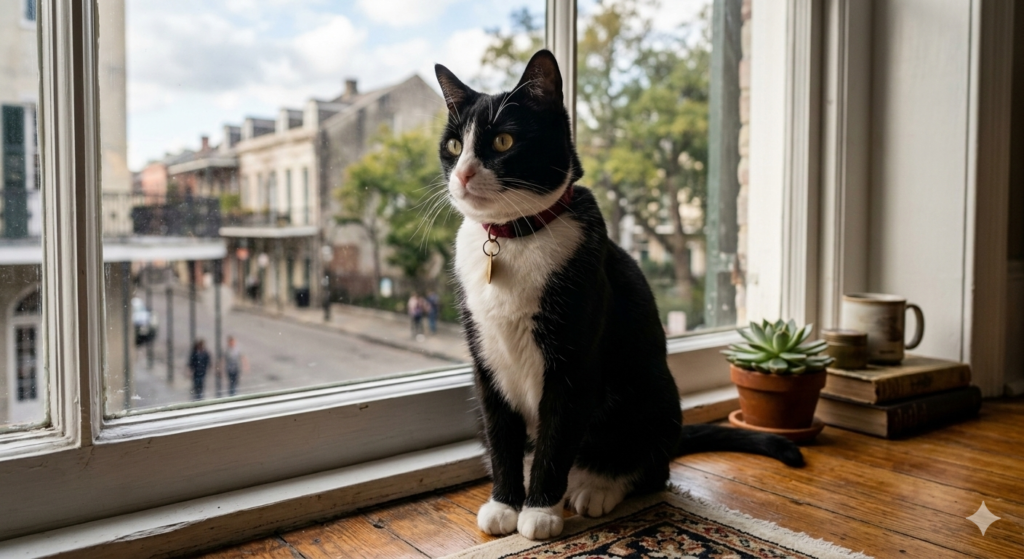
The black tuxedo cat is the undisputed king of formalwear. To be considered a true Tuxie, the cat typically has a solid black coat with white on the paws, chest, and belly. Sometimes they even have a white “mustache” or a mask.
- Pro Tip: If your black tuxedo cat spends a lot of time in the sun, you might notice their fur turning a rusty brown. This “rusting” is often caused by UV rays affecting the melanin, but high-quality protein in their diet can help maintain that jet-black sheen.
The Soft Sophistication: Gray Tuxedo Cat
Not all tuxedos are black! The gray tuxedo cat, often called a “Blue Tuxedo,” offers a softer, smoky aesthetic. These cats feature a slate-gray or blue-toned coat paired with crisp white markings.
Because the gray fur can sometimes hide oils more than black fur, a gray tuxedo cat might require more frequent brushing to prevent their coat from looking dull or “greasy.”
The Unique Variation: White Tuxedo Cat
While less common, the white tuxedo cat (or “reverse tuxedo”) features a coat where white is the dominant color, often covering more than 50% of the body.
Technically, if the white covers most of the cat with just a dark “jacket” over the back, they are still within the tuxedo family. However, if they have random spots, they are often colloquially called “Cow Cats.”
The Truth About “Tuxitude”: Personality & Traits
Is it true that tuxedo cats are smarter? If you ask a Tuxie parent, the answer is a resounding “Yes!” This has led to the term “Tuxitude.”
While coat color doesn’t scientifically dictate IQ, anecdotal evidence from thousands of owners suggests these cats are more vocal, social, and dog-like than other patterns. They are often the first to greet guests at the door and are known for their “chattiness”—expect plenty of meows, chirps, and trills.
2:Daily care tips for raising Tuxedo Cats
Raising a tuxedo cat is a rewarding experience, but keeping that “suit” in runway condition requires specific attention.
1. Grooming the Contrast
The secret to a stunning tuxedo cat is the contrast. You want the dark fur to be glossy and the white fur to be pristine.
- Brushing: Aim for 3 times a week. This removes loose hair and distributes natural skin oils.
- The “Bib” Check: Since the white fur is under the chin, it can easily get stained by wet food. Use a pet-safe wipe to keep their “dress shirt” clean.
- Omega-3 Supplements: Adding a drop of fish oil to their food can significantly improve the glossiness of a black tuxedo cat‘s coat.
2. Mental Enrichment & Exercise
Tuxies are notoriously high-energy. A bored tuxedo cat is often a mischievous one.
- Interactive Play: Spend at least 20 minutes a day with wand toys or laser pointers.
- Vertical Space: Provide cat trees or window perches. These cats love to observe their “kingdom” from a height.
3. Diet and Weight Management
Because they are so social, Tuxies are experts at begging for treats.
- The 7-Year Rule: After the age of 7, their metabolism slows down. Monitor their weight closely; an extra 2 pounds on a gray tuxedo cat can significantly impact their joint health.
Quick Comparison: Tuxie Care Guide:
| Feature | Black Tuxedo Cat | Gray Tuxedo Cat |
| Coat Maintenance | High (for shine) | Moderate (prone to oils) |
| Shedding Visibility | High on light furniture | High on dark furniture |
| Personality | Energetic & Bold | Generally Mellow |
| Health Focus | Skin/Fur Gloss | Weight Management |
Frequently Asked Questions (FAQ)
What is a tuxedo cat’s average lifespan?
Since they are not a specific breed, their lifespan depends on their genetic background. However, indoor tuxedo cats typically live between 15 to 20 years with proper care.
Are tuxedo cats always male?
No! Unlike calico cats (99% female) or ginger tabbies (80% male), tuxedo markings appear equally in both males and females.
Are tuxedo cats hypoallergenic?
Unfortunately, no. The tuxedo pattern has no impact on the Fel d 1 protein that causes allergies. If you have allergies, look for a tuxedo cat that is also a Siberian or Balinese breed.
Conclusion: A Gentle Recommendation
Whether you are drawn to the classic look of a black tuxedo cat or the unique charm of a white tuxedo cat, these felines bring an undeniable elegance to any home. They aren’t just pets; they are characters with big personalities and even bigger hearts.
If you’re considering adding one to your family, I always recommend checking your local shelter first. “Tuxies” are often waiting for homes, and they will repay your kindness with a lifetime of “Tuxitude” and loyal companionship.