
Choosing a dog is one of the most exciting yet overwhelming decisions a pet lover can make. Whether you’re looking for a jogging partner or a professional couch potato, the sheer variety of canines can leave your head spinning. You might find yourself asking: How many types of dogs are there?
According to the World Canine Organization (FCI), there are over 350 officially recognized breeds globally. In the United States, the American Kennel Club (AKC) recognizes 200 distinct types of dogs, categorized into seven major groups based on their historical roles. From the towering Great Dane to the pint-sized Pomeranian, each breed brings a unique “software package” of instincts and energy levels.
In this guide, we’ll break down the world of canines by size, temperament, and care needs to help you find your perfect soulmate.
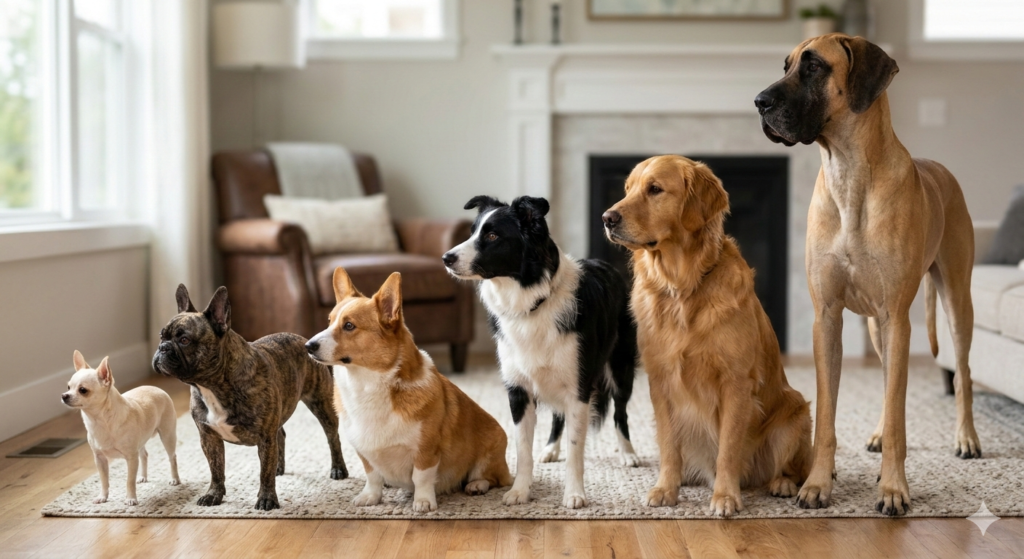
The Big Picture: Why Size and Breed Matter
Before we dive into specific breeds, it’s crucial to understand that a dog’s “type” dictates more than just their looks. It influences:
- Exercise Requirements: Do they need a backyard or a short walk?
- Grooming Commitment: Are you ready for “glitter” (dog hair) all over your sofa?
- Health Longevity: Smaller dogs generally live longer, while larger breeds face different skeletal challenges.
The Gentle Giants: Exploring Every Big Type of Dogs
There is something undeniably majestic about a large dog. Often referred to as “gentle giants,” many a big type of dogs is known for having a calm, steady temperament that makes them excellent family guardians.
Popular Large Breeds and Their Traits
- Golden Retriever: The gold standard for family pets. They are incredibly patient, highly trainable, and have a “soft mouth” instinct.
- German Shepherd: Courageous and smart. These dogs need a “job” to do, or they might turn your living room rug into a DIY confetti project.
- Bernese Mountain Dog: Known for their striking tri-color coat and calm demeanor. They thrive in colder climates.
Living with a Large Breed
If you are leaning toward a big type of dogs, keep these “big” realities in mind:
- Space is Key: While some big dogs (like Greyhounds) are surprisingly lazy indoors, most need room to stretch. A home with a fenced yard is ideal.
- The “Big Dog” Budget: Everything costs more—food, flea prevention, boarding, and vet bills. Expect to spend roughly $1,500–$2,500 per year on basic maintenance.
- Training is Non-Negotiable: A 10-lb puppy jumping on a guest is “cute”; a 90-lb Lab doing it is a safety hazard. Early socialization is a must.
💡 Pro Tip: If you live in an apartment but want a big dog, consider a Standard Poodle. They are athletic but remarkably adaptable to indoor life—plus, they don’t shed!
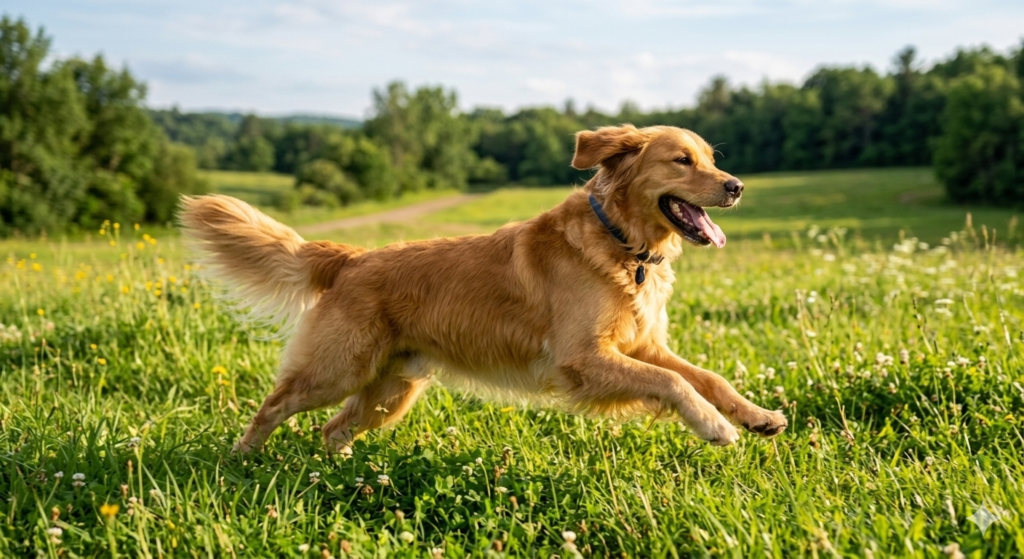
Tiny Companions: All About Types of Small Dogs
For city dwellers or those with limited mobility, types of small dogs offer the perfect solution. These “portable” companions pack a lot of personality into a tiny frame.
Why Small Dogs Are More Than “Lap Dogs”
Many people assume small dogs are low-energy, but that’s a myth! Breeds like the Jack Russell Terrier have more stamina than dogs three times their size.
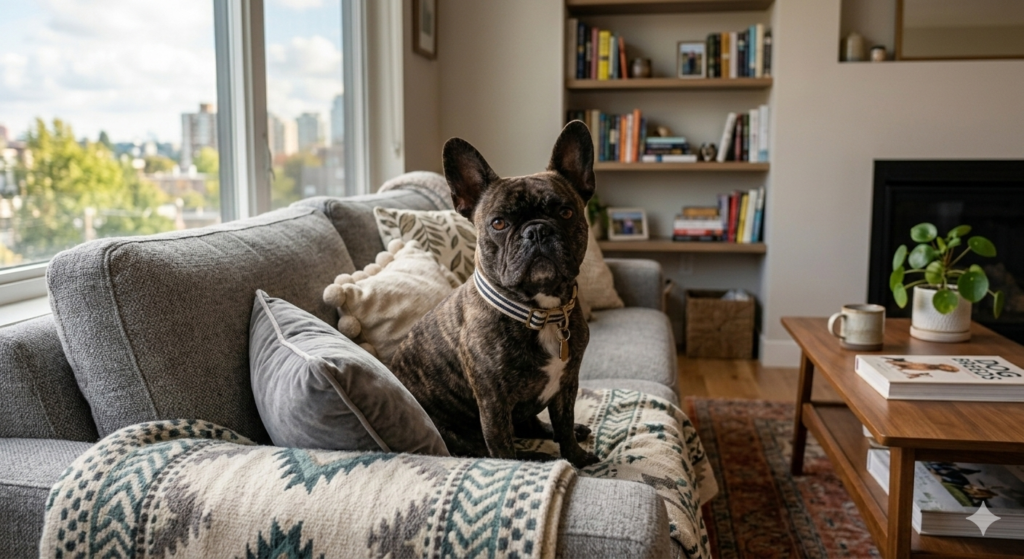
- French Bulldog: Currently the #1 breed in the U.S. They are quiet, require moderate exercise, and are champions of apartment living.
- Pomeranian: Spirited and bold. They think they are 100 feet tall and will “protect” you from the mail carrier with legendary enthusiasm.
- Cavalier King Charles Spaniel: The ultimate “velcro dog.” They just want to be wherever you are.
Care Challenges for Small Breeds
- Fragility: Small dogs, especially toy breeds, can be easily injured by jumping off high furniture or by accidental rough play with children.
- Dental Health: Because their teeth are crowded into tiny mouths, types of small dogs are prone to periodontal disease. Daily brushing is essential.
- Temperature Sensitivity: Small dogs lose body heat fast. If it’s below 45°F (7°C), your pup likely needs a sweater.
Big vs. Small: A Quick Comparison Table
To help you visualize the differences, here is a breakdown of the two categories:
| Feature | Big Type of Dogs | Types of Small Dogs |
| Typical Weight | 55 – 120+ lbs | 2 – 25 lbs |
| Average Lifespan | 8 – 12 years | 12 – 16+ years |
| Exercise Needs | High (60+ mins/day) | Moderate (20-40 mins/day) |
| Trainability | Generally high focus | Independent / Stubborn |
| Travel Ease | Requires SUV / Large Crate | Fits in airline-approved bag |
Frequently Asked Questions (FAQ)
How many types of dogs are there for people with allergies?
While no dog is 100% hypoallergenic, “non-shedding” types of dogs like Poodles, Bichon Frises, and Schnauzers produce less dander, which is the primary cause of pet allergies.
Which big type of dogs is best for first-time owners?
The Labrador Retriever is widely considered the best choice for beginners due to its eager-to-please nature and forgiving temperament.
Are small dogs harder to housebreak?
It can be! Because they have smaller bladders, types of small dogs need more frequent “potty breaks” during training. Consistency and a strict schedule are your best friends here.
Conclusion: Finding Your Perfect Match
At the end of the day, whether you choose from the massive big type of dogs or the pint-sized types of small dogs, the goal is the same: unconditional love. Every dog is an individual. While breed traits provide a roadmap, training and environment will shape your dog’s true heart.
Take your time, visit local shelters, and research the specific needs of the types of dogs that catch your eye. Your future best friend is out there waiting!