

You did everything right. You watched the YouTube videos, you read a few Reddit threads, and you finally decided: this is the year you get a dog.
Then you walked into a breeder’s home, saw a pair of ice-blue Husky eyes staring up at you, and your entire research plan evaporated on the spot.
Three months later, you’re posting in a dog forum at midnight asking why your Husky has eaten through two sofas, refuses to come when called, and howls so loudly your neighbors slipped a noise complaint under your door.
This isn’t a rare story. It’s one of the most common first-time owner mistakes, and it almost always comes down to the same root cause: choosing a breed based on looks instead of lifestyle fit.
This guide is here to fix that. We’ve ranked the 10 best puppy breeds for first-time owners based on four things that actually matter in real life — trainability, energy level, apartment-friendliness, and honest first-year cost. We’ve also flagged three popular breeds that look perfect on Instagram but will genuinely test the limits of a new owner’s patience.
No breed-shaming, no fluff. Just the honest picture.
Key Takeaways
- The Labrador Retriever remains the most forgiving breed for first-time owners, with consistent temperament and high trainability scores across the board.
- Apartment dwellers should look at French Bulldogs, Cavalier King Charles Spaniels, or Pugs — all three thrive in under 600 square feet.
- First-year puppy costs (food, vet, supplies, training) average $2,000–$4,000 regardless of breed — budget for this before you fall in love with a face.
- According to the American Kennel Club, trainability and energy level are the two factors that most predict owner satisfaction in year one.
- Three breeds to avoid as a first-time owner: Siberian Husky, Belgian Malinois, and Dalmatian — stunning dogs, but genuinely difficult for beginners.
What “Best for First-Time Owners” Actually Means
Before we get to the list, let’s be honest about what we’re really looking for.
“Easy” doesn’t mean boring. It means a breed that’s forgiving of beginner mistakes — a dog that won’t develop serious behavioral problems if you accidentally miss a training session, or one that can handle being alone for four hours without dismantling your apartment.
The best beginner breeds share a few common traits:
- They respond well to positive reinforcement training (treats and praise, not corrections)
- Their energy level is predictable and manageable without a two-hour daily workout
- They’re socially resilient — they don’t fall apart around new people or other dogs
- Their health costs are predictable and not catastrophic in year one
With that in mind, here are the ten breeds that consistently make life easier — not harder — for people who are learning the ropes.
The 10 Best Puppy Breeds for First-Time Owners
1. Labrador Retriever — The Gold Standard
If you’ve never owned a dog before and you want a near-guarantee of success, a Labrador is the closest thing to it. Labs have been the most popular breed in the United States for over 30 consecutive years, and it’s not because of marketing.
They’re extraordinarily food motivated, which makes training almost suspiciously easy. They’re patient with children, resilient to social mistakes (like accidentally meeting another dog poorly), and their default emotional setting is “genuinely happy to be here.”
The honest downside: Labs are high-energy as puppies and will absolutely chew through your belongings if they’re under-stimulated. They also need about 60 minutes of real exercise per day once they’re past the puppy phase. If you work from home and have a yard or live near a park, they’re almost perfect.

First-Year Cost Estimate: $1,800–$3,000 Apartment-Friendly? Possible, but better with outdoor space Trainability: ⭐⭐⭐⭐⭐
2. Golden Retriever — The Emotional Support Dog You Actually Own
Golden Retrievers are the breed that makes people who “aren’t really dog people” become dog people. They have an almost supernatural ability to read human emotion and adjust accordingly — calm when you’re stressed, playful when you have energy to spare.
What makes them especially great for beginners is their patience with training mistakes. If you accidentally teach them the wrong cue word, they’ll figure it out. If your reward timing is off, they’ll still try. They want to make you happy more than they want to be right.
The honest catch: their coat sheds heavily, and they need brushing at least three times a week. They’re also prone to certain health conditions (like hip dysplasia and some heart issues) that can add up over time. Getting a puppy from a health-tested breeder is worth the extra investment upfront.
First-Year Cost Estimate: $2,000–$3,500 Apartment-Friendly? Not ideal — they need space to move Trainability: ⭐⭐⭐⭐⭐
3. French Bulldog — The Perfect City Dog
If you live in an apartment, work a 9-to-5, and want a dog that’s genuinely content to nap on the sofa while you’re at your desk, the French Bulldog might be the most practical breed on this list.
Frenchies are quiet (they rarely bark), low-energy enough that a 20-minute walk satisfies them, and they have a personality that’s somewhere between “class clown” and “professional snuggler.” They don’t need a yard. They don’t need a jogging partner. They just need you.
The serious caveat here: Frenchies are brachycephalic (flat-faced), which means they can struggle with heat and occasionally need surgical correction for breathing issues. This is a real medical and financial consideration — some owners spend several thousand dollars on airway surgery in year two or three. If you choose a Frenchie, find a breeder who screens for BOAS (Brachycephalic Obstructive Airway Syndrome) and keep them cool in summer.

First-Year Cost Estimate: $2,500–$4,000 (including potential vet costs) Apartment-Friendly? ⭐⭐⭐⭐⭐ Trainability: ⭐⭐⭐
4. Cavalier King Charles Spaniel — Gentle, Adaptable, Uncomplicated
The Cavalier is one of the most underrated beginner breeds. They’re small enough for apartment life, gentle enough for homes with older children, and they have an “off switch” that most active breeds completely lack — they can match your energy level, whether that’s a long hike or a slow Sunday on the couch.
Their training style is soft and sensitive. They don’t respond well to harsh corrections, but they absolutely blossom with calm, consistent positive reinforcement. If you’ve never trained a dog before and you’re worried about doing it wrong, a Cavalier will give you a lot of grace.
The health consideration to know upfront: Cavaliers are prone to mitral valve disease (MVD), a heart condition that tends to appear in middle age. This is breed-wide and well-documented. Choose a breeder who performs cardiac screenings on both parents and grandparents before buying.
First-Year Cost Estimate: $1,800–$2,800 Apartment-Friendly? ⭐⭐⭐⭐⭐ Trainability: ⭐⭐⭐⭐
5. Poodle (Miniature or Standard) — The Smartest Dog on This List
Poodles get unfairly associated with dog shows and elaborate haircuts. In reality, they’re one of the most intelligent, easy-to-train, and adaptable breeds that exists. The Standard Poodle in particular is athletic, confident, and remarkably steady — they’re genuinely hard to rattle.
Their biggest advantage for beginners: they don’t shed. If you have allergies, share your home with someone who does, or simply can’t imagine vacuuming dog hair every day, a Poodle is one of the few realistic options. Their coat requires professional grooming every 6–8 weeks, but the trade-off is completely clean furniture and clothes.
They’re so intelligent that they actually need more mental stimulation than physical exercise. A Poodle who isn’t given enough to think about will find creative ways to entertain themselves — often at your expense.
First-Year Cost Estimate: $2,000–$3,500 Apartment-Friendly? ⭐⭐⭐⭐ (Standard needs more space) Trainability: ⭐⭐⭐⭐⭐
6. Pug — Built for Small Spaces and Big Personalities
Pugs are the apartment dog for people who find French Bulldogs a little too trendy. They’re funny, affectionate, and deeply committed to being wherever you are — which is either charming or claustrophobic, depending on your personality.
Like Frenchies, Pugs are brachycephalic, so the same heat and breathing cautions apply. One specific thing to know: Pugs should never walk on a collar. The pressure on their neck from pulling can cause serious airway and eye damage. A Y-shaped harness is non-negotiable for this breed. (We have a full guide to the best harnesses for Pugs if you’re considering this breed.)
The thing that makes Pugs genuinely great for beginners is their low exercise ceiling — a 15-minute walk twice a day is usually enough. This makes them realistic for people with demanding jobs who can’t guarantee a long evening walk every single day.
First-Year Cost Estimate: $1,800–$2,800 Apartment-Friendly? ⭐⭐⭐⭐⭐ Trainability: ⭐⭐⭐
7. Bichon Frise — The Gentle Little Companion
The Bichon Frise is small, fluffy, non-shedding, and genuinely happy-go-lucky. They’re one of the most socially easygoing breeds on this list — they tend to get along with everyone, including cats, strangers, and children who haven’t quite learned to be gentle yet.
Their energy level is moderate. They love a walk and a play session but don’t need to run a 5K. They adapt well to both small apartments and larger homes, which makes them a reliable choice regardless of where you live.
The grooming commitment is real — their coat needs brushing several times a week and professional trimming every 6–8 weeks. But if you’ve already ruled out shedding breeds, this is just part of the deal.
First-Year Cost Estimate: $1,800–$2,500 Apartment-Friendly? ⭐⭐⭐⭐⭐ Trainability: ⭐⭐⭐⭐
8. Shih Tzu — Low Energy, High Loyalty
Shih Tzus were literally bred to be companions — it’s the entire purpose of the breed, going back centuries of Chinese imperial history. That heritage shows. They are devoted, calm, and content in remarkably small spaces.
They don’t need much exercise, they tend to be quiet, and they form extremely strong bonds with their primary person. For someone living alone who wants a dog that’s truly “just for me,” a Shih Tzu is hard to beat.
The grooming is intensive if you keep their coat long — many owners opt for a short “puppy cut” that’s much more manageable. Just factor in grooming costs (roughly $50–$80 every 6–8 weeks) when budgeting.
First-Year Cost Estimate: $1,500–$2,500 Apartment-Friendly? ⭐⭐⭐⭐⭐ Trainability: ⭐⭐⭐
9. Boxer — For the Active First-Timer
If your lifestyle involves regular outdoor activity — hiking, running, long weekend walks — and you want a medium-to-large dog that can keep up, a Boxer is worth serious consideration.
Boxers are patient, playful, and extraordinarily affectionate with their families. They’re also goofy in the best possible way — Boxers are one of the few breeds that will legitimately make you laugh on a hard day. They’re good with kids, loyal to strangers once introduced, and they thrive on activity.
The honest caveat: Boxers are brachycephalic (yes, another one), so heat management matters here too. They also need 60–90 minutes of exercise daily as adults — this is a real commitment, not a casual 10-minute loop around the block.
First-Year Cost Estimate: $2,000–$3,000 Apartment-Friendly? Manageable with enough daily exercise Trainability: ⭐⭐⭐⭐
10. Whippet — The Quiet Sprinter
This one surprises people. Whippets are sight hounds — they were bred to run fast. But at home, they are famously calm, quiet, and deeply content to curl up under a blanket for most of the day. They’re sometimes called “the world’s fastest couch potato,” and that description is accurate.
They’re gentle, rarely bark, don’t need much grooming, and they form close, quiet bonds with their owners. Their daily exercise need is moderate: a good run (in a fenced area — they cannot be trusted off-leash near traffic) once a day, and they’re settled for the rest.
For a first-time owner who wants something a little unexpected but genuinely easy to live with, Whippets are an underrated choice.
First-Year Cost Estimate: $1,500–$2,500 Apartment-Friendly? ⭐⭐⭐⭐ (with daily outdoor runs) Trainability: ⭐⭐⭐
3 Popular Breeds That Are Harder Than They Look
These breeds appear constantly on “best breeds” lists. They’re beautiful, they have massive social media followings, and — in the right hands — they’re incredible dogs. But for a genuine first-time owner with no experience, they have a high probability of causing serious stress.
Siberian Husky
Stunning. Charismatic. Famously independent. Huskies were bred to run 100 miles per day in the Arctic. If you can’t provide multiple hours of vigorous exercise daily, plus a securely fenced yard (they’re escape artists), plus consistent training from a confident handler, this breed will redirect its considerable energy toward destroying your home and testing your mental health.
Belgian Malinois
This is the breed used by military and police forces worldwide. That should tell you everything. Malinois are working dogs with extreme drive — they need a “job” and consistent, experienced training. They are not pets for beginners, no matter how striking they look on Instagram.
Dalmatian
Dalmatians are gorgeous and deeply loyal, but they’re high-energy, sensitive, and notoriously stubborn with inexperienced trainers. They also have a higher-than-average rate of deafness in the breed, which requires specific handling knowledge. Without proper socialization and consistent training, they can develop serious behavioral issues quickly.
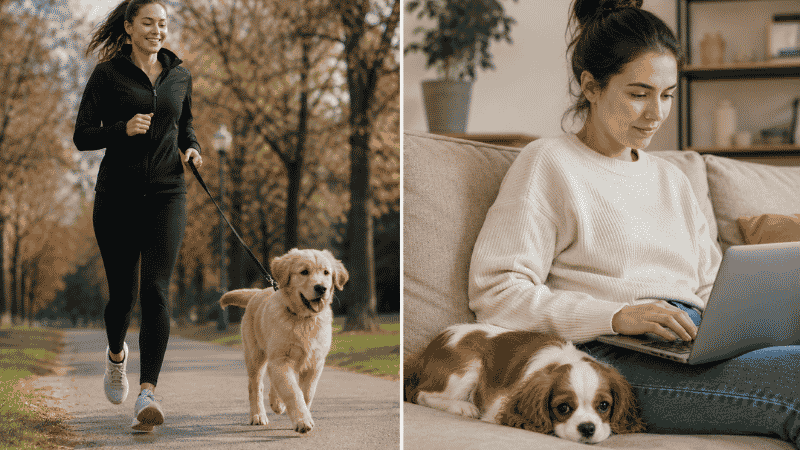
Matching Your Lifestyle to the Right Breed
Before you fall in love with a face, ask yourself these four questions:
1. How much space do I have? Under 700 sq ft → French Bulldog, Cavalier, Bichon Frise, Pug, Shih Tzu House with a yard → Lab, Golden, Boxer, Standard Poodle
2. How active am I, really? Daily walks but no intense exercise → Pug, Bichon, Shih Tzu, Cavalier Running/hiking/outdoor lifestyle → Lab, Golden, Boxer, Whippet
3. Do I have allergies in my household? Yes → Poodle, Bichon Frise, Shih Tzu (low-shedding breeds) No → Any breed on this list
4. How much time do I have for training? 30 minutes daily → All ten breeds on this list work Less than that → Focus on Cavalier, Bichon, or Shih Tzu (most forgiving)
What Your First Year Actually Costs
This is the section most breed guides skip, and it shouldn’t be. According to a 2023 Forbes Advisor survey, first-time dog owners consistently underestimate first-year costs by 40–60%.
Here’s a realistic breakdown regardless of breed:
| Expense | Estimated Cost |
|---|---|
| Puppy purchase / adoption | $500–$3,000+ |
| First vet visit + vaccines | $200–$400 |
| Spay / neuter | $200–$500 |
| Food (first year) | $400–$900 |
| Crate, bed, bowls, leash | $150–$300 |
| Training classes | $150–$400 |
| Grooming (if needed) | $200–$600 |
| Unexpected vet visits | $300–$1,000 |
| Total First-Year Estimate | $2,100–$7,100 |
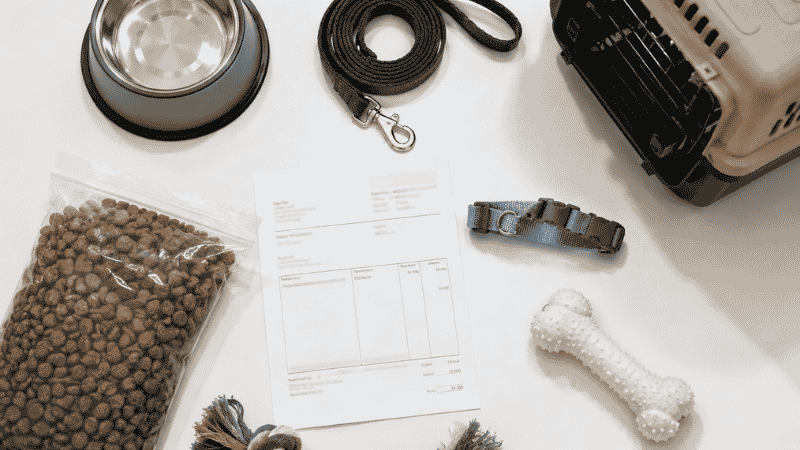
This isn’t meant to scare you. It’s meant to help you make a decision with full information so you’re not caught off guard when reality arrives.
Getting Your Puppy’s First Year Right
Once you’ve chosen your breed, the first few months at home are everything. A puppy’s brain is most receptive to learning between 8 and 16 weeks — this is your golden window for socialization, basic commands, and establishing routines.
Two things that will make the biggest difference in year one:
Feeding routine: Puppies thrive on structure. Knowing when to expect meals keeps their digestion stable, makes potty training significantly more predictable, and reduces anxiety. Our complete puppy feeding schedule by age walks you through exactly how many meals per day at each stage of development.
Potty training: If you’re in an apartment or don’t have direct outdoor access, this is where most first-time owners struggle most. We have a dedicated guide on how to potty train a puppy in an apartment with specific strategies for high-rise living, elevator challenges, and the real gear that makes the process faster.
FAQ: Your Most Googled Questions, Answered
What is the easiest dog to own for the first time? The Labrador Retriever is consistently ranked the most forgiving breed for beginners due to its high trainability, stable temperament, and adaptability to different living situations.
What is the best dog breed for someone who works full time? French Bulldogs and Shih Tzus are among the most independent small breeds that handle being alone for reasonable periods (4–5 hours) better than most. No puppy should be left alone for more than 3–4 hours in the early months, regardless of breed.
What is the calmest puppy breed? Basset Hounds, Shih Tzus, and Cavalier King Charles Spaniels are consistently the calmest breeds. Whippets are also surprisingly calm indoors despite their speed outdoors.
What dog is best for first time owners in an apartment? French Bulldog, Cavalier King Charles Spaniel, Bichon Frise, Pug, and Shih Tzu are all excellent apartment dogs. They have low-to-moderate exercise needs and tend to be quiet enough not to disturb neighbors.
Are puppies harder to train than adult dogs? In some ways, yes. Puppies have shorter attention spans and less bladder control. However, they also haven’t developed entrenched habits yet, which makes early training extremely effective when done consistently.
How much does a puppy cost in the first year? Budget $2,000–$5,000 for the first year, including purchase, initial vet care, food, supplies, and training. This varies significantly by breed and location, but underestimating this number is one of the most common new owner mistakes.
What breed should I get if I’ve never had a dog? Start with the four-question lifestyle match above (space, activity level, allergies, training time). If you answer honestly, the list naturally narrows to two or three realistic options. Then visit breeders or rescue organizations for those specific breeds before making a final decision.

One Last Honest Note
The “best breed” for you isn’t necessarily the one that tops every list — it’s the one that fits your actual life, not the life you imagine having.
A Golden Retriever is wonderful. But if you’re genuinely gone 10 hours a day and live in a studio with no park nearby, even the best-tempered Golden will struggle — and so will you.
Match the dog to your reality, not your aspirations. The breeds on this list are forgiving, but every dog still needs time, attention, and consistent care.
Get that right, and you’re not just getting a pet. You’re getting a decade or more of something that will change how you experience daily life — in ways you genuinely can’t anticipate yet.
References
- American Kennel Club. (2023). 9 Great Dog Breeds for First-Time Owners. akc.org
- Forbes Advisor. (2023). How Much Does a Dog Cost? forbes.com
- Duffy, D.L., Hsu, Y., & Serpell, J.A. (2008). Breed differences in canine aggression. Applied Animal Behaviour Science, 114(3-4), 441–460.
- American Veterinary Medical Association. (2024). Pet Ownership & Demographics Sourcebook. avma.org