
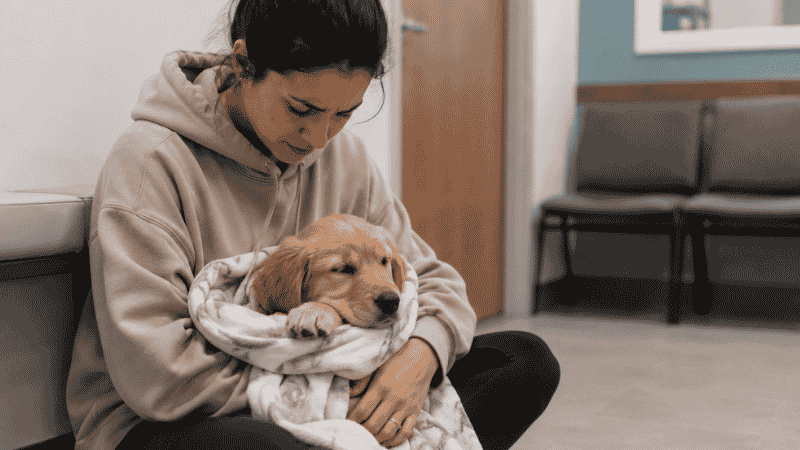
If there is one disease that every new puppy owner needs to know about before they need to know about it, it’s parvovirus.
Not because it’s the most common illness your puppy will face — it isn’t. But because it is one of the fastest-moving, most lethal diseases that affects young dogs, and because the difference between a puppy that survives and a puppy that doesn’t is almost entirely determined by one thing: how quickly you acted when the first symptoms appeared.
Parvo moves on a timeline measured in hours, not days. A puppy that was playful and eating normally this morning can be in critical condition by tonight. Without veterinary treatment, mortality rates in puppies with parvovirus range from 68 to 92 percent. With aggressive supportive care started early, survival rates reverse — most treated puppies survive.
That gap — between near-certain death without care and a strong chance of survival with it — exists in the hours between when you first notice something is wrong and when your puppy receives veterinary treatment.
This guide exists so you know what to look for, in what order, and exactly how to respond.
Key Takeaways
- Parvo symptoms typically appear 3 to 7 days after exposure — meaning a puppy can look completely healthy while already infected.
- The first signs are often non-specific: lethargy, reduced appetite, mild fever — the same symptoms many minor illnesses produce. What distinguishes parvo is what follows and how fast.
- Bloody, foul-smelling diarrhea combined with persistent vomiting is the defining symptom of advanced parvo — if you see this, treat it as a medical emergency.
- Puppies between 6 weeks and 6 months who have not completed their vaccination series are at highest risk.
- The DHPP vaccine is highly effective against parvovirus. A fully vaccinated puppy is very unlikely to contract parvo.
- There is no antiviral medication that kills parvovirus once a puppy is infected. All treatment is supportive — keeping the puppy alive while their immune system fights the virus. This is why timing matters more than almost any other factor.
What Parvovirus Actually Does to a Puppy’s Body
Understanding the mechanism helps you understand why the symptoms progress the way they do — and why waiting to see if your puppy improves is such a dangerous choice.
Canine parvovirus type 2 (CPV-2) targets rapidly dividing cells. In puppies, the two primary targets are the intestinal lining and the bone marrow.
The intestinal lining: The virus destroys the cells lining the small intestine — the cells responsible for absorbing nutrients and maintaining the intestinal barrier. As this barrier breaks down, bacteria from the gut can enter the bloodstream. The intestine can no longer absorb water or nutrients, which is why diarrhea in parvo cases is so severe and dehydration develops so rapidly.
The bone marrow: The virus suppresses production of white blood cells — the immune system’s primary defense. As white blood cell counts drop, the puppy becomes progressively less able to fight not only the parvovirus itself but any secondary bacterial infections that take advantage of the compromised intestinal barrier.
The combination is what makes parvo so devastating: the puppy is simultaneously losing fluids at a dangerous rate, unable to absorb what they need to replace those fluids, and losing the immune capacity to fight back.
In very young puppies (under 8 weeks), a rarer cardiac form of parvovirus can also attack the heart muscle directly, causing sudden death without obvious gastrointestinal symptoms.
Who Is at Risk — and Why
Age
Puppies between 6 weeks and 6 months of age are at highest risk. Before 6 weeks, most puppies have some protection from maternal antibodies — immunity passed through their mother’s milk, assuming the mother was vaccinated. This protection fades between 6 and 20 weeks, creating a window of vulnerability that the vaccine series is specifically designed to close.
This is also why the vaccination schedule matters so precisely: each dose is timed to catch the puppy as maternal immunity fades, ensuring continuous protection during the highest-risk developmental window.
Vaccination status
An unvaccinated or incompletely vaccinated puppy has essentially no protection against parvovirus. “Incompletely vaccinated” includes puppies who have received their first or second DHPP dose but have not yet completed the full series — they have partial protection, but not full immunity.
A puppy that has completed the full vaccine series (three doses of DHPP, typically at 8, 12, and 16 weeks, plus a one-year booster) is very well protected. Parvo in fully vaccinated puppies is uncommon and typically less severe when it does occur.
Breed
Certain breeds appear to have higher rates of severe disease or fatality from parvovirus, for reasons not fully understood. These include Rottweilers, Doberman Pinschers, Labrador Retrievers, American Staffordshire Terriers, and Arctic sled breeds. If your puppy is one of these breeds, that is an additional reason to take any gastrointestinal symptoms seriously.
Environment
Parvovirus is extraordinarily hardy in the environment. It can survive in soil for 6 months to a year or longer. It survives on most common surfaces through temperature extremes, and it is resistant to most standard household cleaners. The virus can be carried on shoes, clothing, and hands.
High-risk environments include: dog parks, pet store floors, shared dog park areas, boarding kennels, and any location frequented by unknown dogs. Unvaccinated or incompletely vaccinated puppies should avoid these locations entirely.
Parvo Symptoms in Puppies: By Timeline
This is the section to read carefully. Parvo symptoms follow a recognizable progression — understanding the timeline helps you identify where your puppy is in that progression and how urgently they need care.
3 to 7 days after exposure — The incubation period
The puppy appears completely normal. They’re eating, playing, and behaving typically. The virus is actively replicating inside the body during this period, but no external symptoms are visible.
This incubation period is one of the reasons parvo spreads so effectively — an infected puppy can look healthy while shedding virus in their feces and exposing other dogs.
Early stage — First symptoms appear
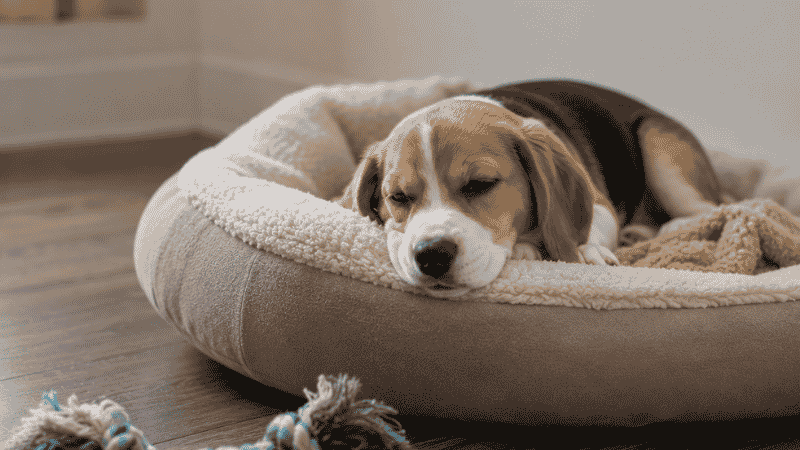
What you’ll see:
- Lethargy that seems more than typical tiredness — reduced interest in play, slower responses, staying in their bed or kennel more than usual
- Reduced appetite or complete refusal of food
- Mild fever (temperature above 39.5°C / 103°F, though some puppies have subnormal temperature in early infection)
- Possible mild vomiting — one or two instances, not yet severe
What this looks like: These early symptoms are non-specific. They are the same symptoms that appear with many minor illnesses, stress, dietary indiscretion, or general unwellness. A new puppy in a new home might show some of these symptoms from stress alone.
The critical question: Is your puppy vaccinated or in the process of completing their vaccine series? Have they been in any environment where unknown dogs may have been? If the answer to either is yes, lethargy and reduced appetite in an incompletely vaccinated puppy deserves a call to your vet — not a wait-and-see approach.
Progressive stage — Gastrointestinal deterioration
What you’ll see:
- Persistent vomiting — multiple episodes, increasingly difficult to control
- Diarrhea beginning — watery at first, then becoming more severe
- Visible deterioration in energy and alertness
- Possible fever escalation
- The puppy may begin seeking isolation or appearing hunched and uncomfortable
What this looks like: By this stage, it is becoming clear that something is seriously wrong. The combination of persistent vomiting with diarrhea in an incompletely vaccinated puppy is a medical emergency. Do not wait for bloody diarrhea to appear before seeking veterinary care — the progressive stage is already the critical window.
Severe stage — The defining symptoms of advanced parvo
What you’ll see:
- Bloody diarrhea with a distinctive, extremely foul odor — this is the hallmark symptom of advanced parvovirus. The blood may be fresh (bright red) or digested (dark, almost black). The odor is unlike normal feces and is difficult to mistake.
- Severe, uncontrollable vomiting
- Visible dehydration: sunken eyes, dry gums, skin that doesn’t spring back quickly when pinched (the “skin tent” test)
- Extreme lethargy — the puppy may be too weak to stand
- Pale or grey gums indicating circulatory compromise
- Collapse
What this looks like: This is a critical medical emergency. If your puppy has reached this stage, they require immediate emergency veterinary care. Every hour of delay at this stage significantly worsens the prognosis.
The highest risk of death occurs in the 24 to 72 hours after severe symptoms appear.
How to Tell Parvo Apart from a Regular Upset Stomach
This is the question most owners are trying to answer when they search for parvo symptoms — and it’s a legitimate one. Puppies get upset stomachs regularly. Not every bout of diarrhea or vomiting is parvo.
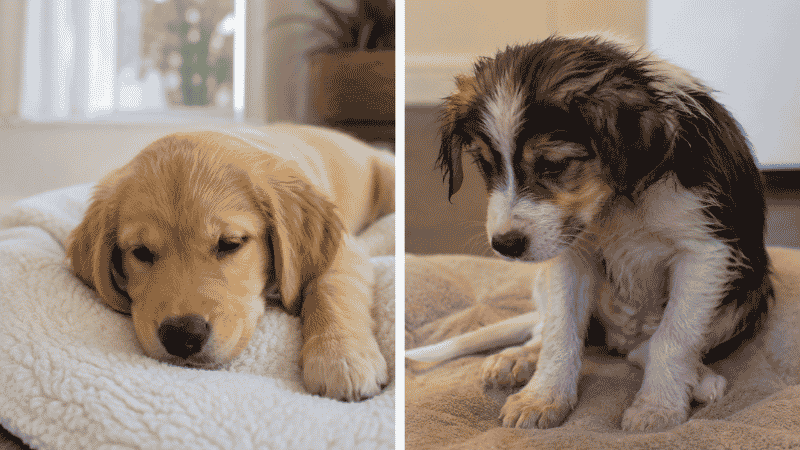
Here are the specific factors that distinguish parvo from typical gastrointestinal upset:
| Factor | Regular Upset Stomach | Parvo Concern |
|---|---|---|
| Vaccination status | Fully vaccinated | Unvaccinated or incomplete series |
| Appetite | May be reduced, returns with improvement | Complete refusal, doesn’t improve |
| Vomiting | One or two episodes, then stops | Persistent, multiple episodes, worsening |
| Diarrhea | Soft or watery, improves within 24 hours | Worsening, bloody, foul odor |
| Energy | Subdued but responsive | Progressive lethargy, unresponsive |
| Duration | Improves within 12–24 hours | Deteriorates over 24–48 hours |
| Exposure history | No known exposure to dogs | Dog park, pet store, unknown dogs |
The most important rule: In an unvaccinated or incompletely vaccinated puppy, any combination of lethargy, vomiting, and diarrhea warrants a call to your vet — not a wait-and-see approach. The cost of an unnecessary vet call is inconvenience. The cost of waiting too long in a true parvo case is your puppy’s life.
What to Do If You Suspect Parvo
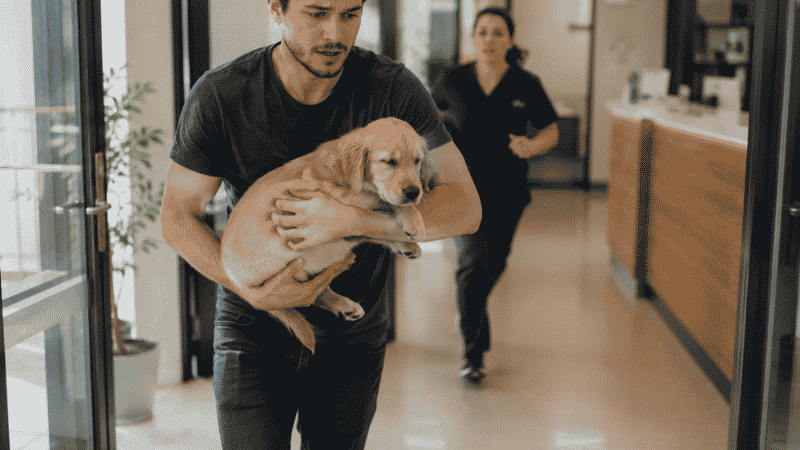
Step 1: Call your vet immediately — before you drive
When you suspect parvo, call the veterinary clinic before you leave home. Tell them you suspect parvovirus, your puppy’s age, and their vaccination status. This allows the clinic to prepare for your arrival and advise you on transport precautions. Most clinics will want to keep an infected puppy isolated from other patients immediately.
If it is after hours: Call an emergency veterinary clinic. Parvo does not wait for business hours.
Step 2: Isolate the puppy immediately
Parvovirus is extremely contagious. If you have other dogs in your household, separate your sick puppy immediately. Use a separate room with no shared contact. Wash your hands thoroughly after handling the sick puppy before touching any other animals.
When transporting, keep the puppy in a carrier or blanket to minimize environmental contamination in your vehicle.
Step 3: Do not attempt home treatment
This is critical. There is no safe or effective home treatment for parvovirus. Online advice about Pepto-Bismol, Pedialyte, egg yolks, or various supplements does not replace veterinary care and wastes time the puppy does not have.
The specific risk of home treatment is the same risk that applies to any delay: the puppy continues to deteriorate while you are waiting. IV fluid therapy — the primary treatment for parvo — cannot be replicated at home. A puppy dehydrating from severe vomiting and diarrhea cannot be adequately supported with oral fluids.
Step 4: Be prepared for the diagnosis process
At the clinic, your vet will likely perform a rapid antigen test (ELISA) — a swab of the puppy’s feces that produces results in under 15 minutes. This test is accurate but not perfect — early infection can occasionally produce a negative result. If the test is negative but your vet still suspects parvo based on symptoms and vaccination history, they may recommend hospitalization while monitoring, as a negative test does not definitively rule out the disease.
Blood work showing a low white blood cell count combined with gastrointestinal symptoms is often enough to begin treatment even before definitive test results.
What Treatment Looks Like — and What It Costs
There is no medication that kills parvovirus once it is inside a puppy’s body. All treatment is supportive: keeping the puppy alive and stable while their immune system fights the virus.
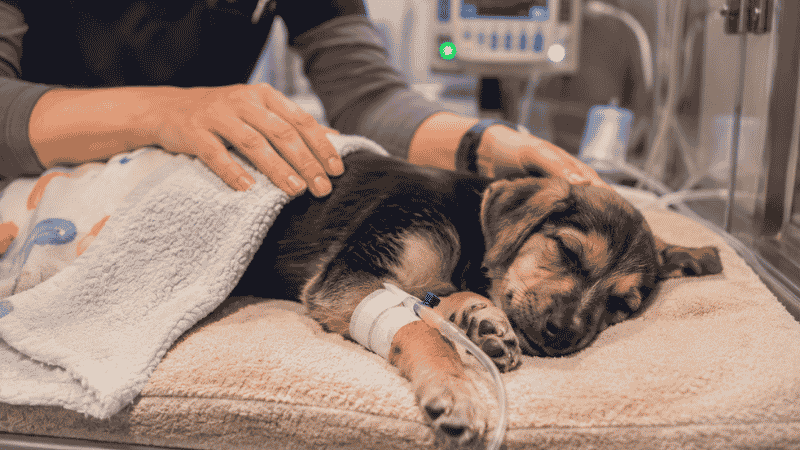
Standard treatment includes
Intravenous (IV) fluid therapy: The most critical component. Replaces fluids lost through vomiting and diarrhea, maintains blood pressure, and corrects electrolyte imbalances. Oral fluids are not sufficient for a parvo puppy who is vomiting — IV delivery is essential.
Anti-nausea medication: To control vomiting and allow some degree of intestinal rest.
Antibiotics: Not to treat the virus itself, but to prevent secondary bacterial infections that take advantage of the compromised intestinal barrier.
Nutritional support: Once vomiting is controlled, a highly digestible diet supports intestinal healing.
Monoclonal antibody therapy (CPMA): A newer treatment option that can neutralize parvovirus in the bloodstream, reducing viral load and severity. Increasingly available at veterinary clinics and can significantly improve outcomes when administered early.
24/7 monitoring: Parvo patients require intensive nursing care. Temperature, hydration, white blood cell count, and clinical status need continuous monitoring during the critical period.
Survival rates
With appropriate veterinary supportive care begun before the collapse phase: 85 to 95 percent survival in most well-managed cases.
Without treatment: mortality rates of 68 to 92 percent.
These statistics exist in the window between when symptoms appear and when treatment begins. This is why every hour matters.
What it costs
Treatment costs vary significantly by location and severity. Realistic ranges:
- Outpatient treatment (mild cases that can be partially managed at home with frequent clinic visits): $500–$1,500
- Hospitalization for moderate to severe cases: $1,500–$5,000+
- Extended hospitalization with intensive care: $5,000–$10,000+
These figures represent the reality of treating a disease that requires days of IV fluids, constant monitoring, and intensive nursing. They are also the reason pet insurance — started before any illness develops — can be one of the most valuable investments new puppy owners make.
The vaccine costs $30 to $50 per dose. The full puppy series costs approximately $100 to $150. The math is straightforward.
Cleaning and Disinfection After Parvo Exposure
If your puppy has been diagnosed with parvovirus, or if you know your home or yard has been exposed, standard cleaning is not sufficient. Most household cleaners — including many products marketed as “antibacterial” — do not kill parvovirus.
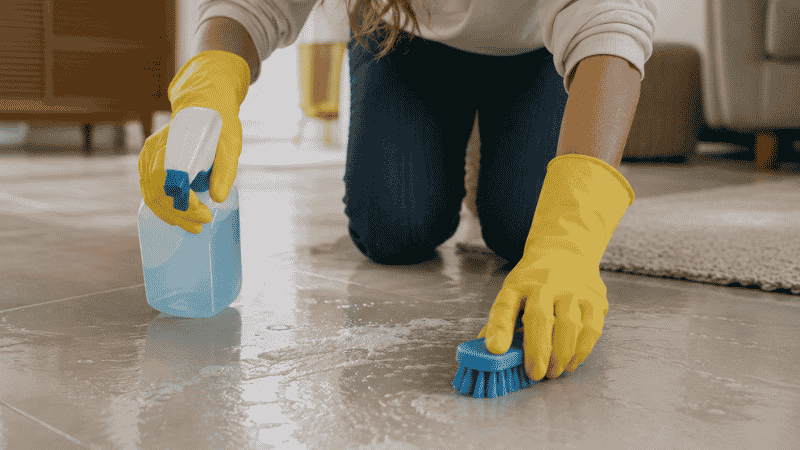
What kills parvovirus:
A diluted bleach solution: 1 part household bleach (sodium hypochlorite) to 30 parts water (approximately 3/4 cup bleach per gallon of water). This is effective on hard, non-porous surfaces.
Apply to all hard surfaces your puppy has contacted — floors, kennel surfaces, food and water bowls — and allow to sit for at least 10 minutes before rinsing.
What bleach cannot effectively treat:
Porous surfaces like carpet, soil, and wood are much harder to disinfect. Parvo can survive in soil for 6 months to a year regardless of bleach treatment. If your yard or garden has been contaminated, this needs to be discussed with your vet. In heavily contaminated environments, some owners choose not to bring a new unvaccinated puppy into that space until the vaccination series is complete.
How long to quarantine:
A recovered puppy continues to shed virus in their feces for up to 10 days after clinical recovery. During this period, they should not come into contact with unvaccinated or incompletely vaccinated dogs.
Prevention: The Only Reliable Answer
The vaccine works. This is the most important sentence in this entire guide.
Parvovirus was identified in the late 1970s and spread globally within two years. Effective vaccines were developed shortly after. Three decades later, parvo still occurs — but far less frequently and with lower fatality rates than in the pre-vaccine era — because of widespread vaccination.
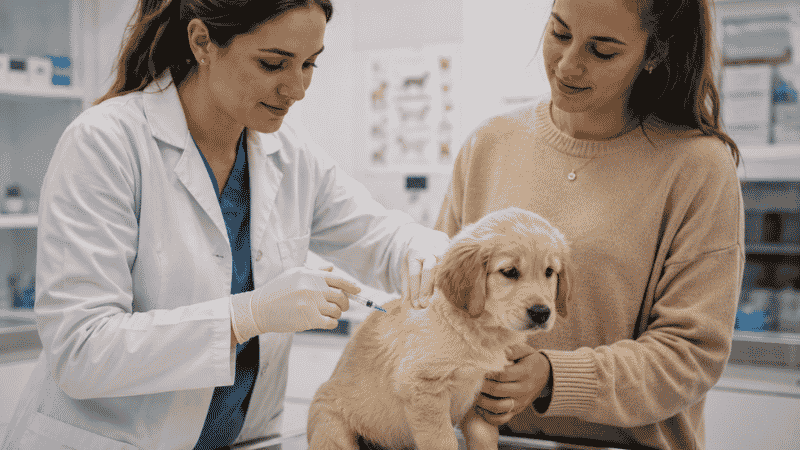
The DHPP vaccine (which includes parvovirus protection) is a core vaccine recommended for every dog regardless of lifestyle. The standard puppy series involves doses at 8, 12, and 16 weeks, followed by a booster at 12 to 16 months. After that, boosters every 1 to 3 years depending on the vaccine formulation and your vet’s recommendation.
During the vaccination window
While your puppy is completing their series — before they have full protection — these precautions significantly reduce risk:
- Avoid dog parks, pet store floors, boarding facilities, and any areas with high unknown dog traffic
- Carry your puppy rather than letting them walk on potentially contaminated surfaces in high-risk areas
- Allow interaction only with dogs you know are fully vaccinated
- When visiting veterinary clinics, keep your puppy in a carrier rather than on shared floor surfaces when possible
- Avoid secondhand dog equipment from unknown sources unless thoroughly disinfected with bleach solution
FAQ: What New Puppy Owners Actually Search For
What are the first signs of parvo in a puppy? The earliest signs are non-specific: lethargy, reduced appetite, and mild fever — often appearing 3 to 7 days after exposure. These early symptoms can look like many minor illnesses. What distinguishes parvo from typical upset stomach is that these symptoms worsen progressively, are followed by persistent vomiting and then severe diarrhea, and don’t improve within 12 to 24 hours.
Can a vaccinated puppy get parvo? Parvo in fully vaccinated puppies is uncommon and typically less severe. However, no vaccine is 100% effective. Puppies in the process of completing their series — who have received one or two doses but not the full course — have partial but incomplete protection and remain at meaningful risk.
How quickly does parvo kill a puppy? Without treatment, most puppies with parvo die within 48 to 72 hours of severe symptom onset. This is why the timeline from first symptom recognition to veterinary care is the critical variable in outcomes.
Can parvo be treated at home? No. There is no safe or effective home treatment for parvovirus. The primary treatment — IV fluid therapy to combat dehydration — cannot be replicated at home. Attempting home treatment delays veterinary care and almost always results in a worse outcome.
How long does parvo stay in the environment? Parvovirus can survive in soil and on surfaces for 6 months to a year or longer, even through temperature extremes. It is resistant to most household cleaners. Diluted bleach (1:30 ratio) is effective on hard, non-porous surfaces.
Does parvo spread to humans? No. Canine parvovirus (CPV-2) does not infect humans. There is a human parvovirus (B19) but it is an entirely different virus with no connection to the canine strain.
My puppy had parvo and recovered — are they immune now? Yes. Dogs that recover from natural parvovirus infection develop long-lasting, often lifelong immunity to the specific strain. However, they should still continue their vaccination schedule as recommended by your vet.
The Bottom Line
Parvovirus is one of those diseases where knowledge is genuinely protective. Not because knowing about it prevents your puppy from being exposed — but because owners who know the early warning signs seek veterinary care earlier, and earlier care is the single most powerful factor in whether a puppy survives.
If your puppy is under 6 months old and not fully vaccinated, take lethargy and reduced appetite seriously. Take persistent vomiting seriously. Don’t wait for bloody diarrhea to appear before calling your vet — by that stage, you’re already several hours into the critical window.
And if your puppy hasn’t started their vaccination series, or hasn’t completed it: that is today’s most important task. The vaccine costs less than a single vet visit. What it prevents can cost your puppy’s life.
References
- American Veterinary Medical Association. (2026). Canine Parvovirus. avma.org
- Cornell University College of Veterinary Medicine / Baker Institute. (2024). Canine Parvovirus. vet.cornell.edu
- VCA Animal Hospitals. (2024). Parvovirus in Dogs. vcahospitals.com
- PetMD. (2025). Parvo in Dogs and Puppies: Causes, Symptoms, and Treatment. petmd.com
- American Kennel Club. (2025). Parvovirus in Puppies: Signs, Symptoms, Treatments. akc.org
- Goddard, A., & Leisewitz, A.L. (2010). Canine parvovirus. Veterinary Clinics of North America: Small Animal Practice, 40(6), 1041–1053.