

You thought the hardest part was the first night. You made it through the crying, the 2am potty runs, the bottomless need for attention. You were starting to feel like you had this whole puppy thing figured out.
And then, somewhere around week ten, your puppy sank their needle-sharp teeth into the corner of your coffee table and looked you directly in the eyes while doing it.
Welcome to puppy teething. It’s not personal. It’s not a training failure. It’s a biological inevitability, and it’s happening on a schedule whether you’re ready for it or not.
The good news? Once you understand what’s actually going on in your puppy’s mouth — and why it’s driving them to chew everything with the intensity of a tiny, fuzzy demolition crew — the whole phase becomes a lot less frustrating and a lot more manageable. You stop fighting the behavior and start channeling it. The coffee table survives. Usually.
This guide covers the complete puppy teething timeline, what symptoms are normal versus worth a vet call, and the specific techniques that genuinely help — including the frozen toy method that changed everything for me and a lot of other first-time owners.
Key Takeaways
- Puppies go through two teething phases: baby teeth come in at 2 to 3 weeks, then fall out starting at 12 weeks as 42 adult teeth push through.
- The most intense chewing period runs from 12 to 20 weeks — the window when most owners hit peak furniture damage and start Googling this article.
- Most puppies have their full set of adult teeth by 6 to 7 months, after which the compulsive chewing typically begins to settle.
- Cold is your best friend. Frozen rubber toys, frozen washcloths, and frozen food treats provide direct gum relief and are consistently the most effective home intervention.
- If chewing escalates past 8 months without improvement, the issue has likely shifted from teething discomfort to behavioral habit — and the solution changes accordingly.
What’s Actually Happening in Your Puppy’s Mouth
Puppy teething isn’t just “teeth falling out.” It’s a complete reconstruction of your dog’s mouth happening in real time, and it explains why your previously manageable puppy has suddenly become obsessed with chewing.
Here’s the biological reality: as adult teeth push up through the jawbone and into the gumline, they create pressure against the roots of the baby teeth, causing them to loosen and eventually fall out. Most start to lose their teeth when they’re around 3 and a half months old, though some don’t start until they’re 4 or 5 months old. During this period, the gumline is genuinely inflamed and tender — the sensation is similar to what human babies experience, and the instinctive response is the same: put pressure on it to find relief.
Chewing isn’t bad behavior during this phase. It’s self-medication. Your puppy is doing exactly what their nervous system is telling them to do.
What makes this phase challenging is the timing. The peak teething window — 12 to 20 weeks — coincides almost perfectly with the critical socialization and training window. Your puppy needs the most behavioral guidance exactly when they’re the most physically uncomfortable. That’s not a great combination. But it’s workable, and knowing this helps you respond with patience rather than frustration when they go for the furniture for the third time in one afternoon.
The Complete Puppy Teething Timeline
Understanding exactly where your puppy is in the process helps you calibrate your expectations and interventions.
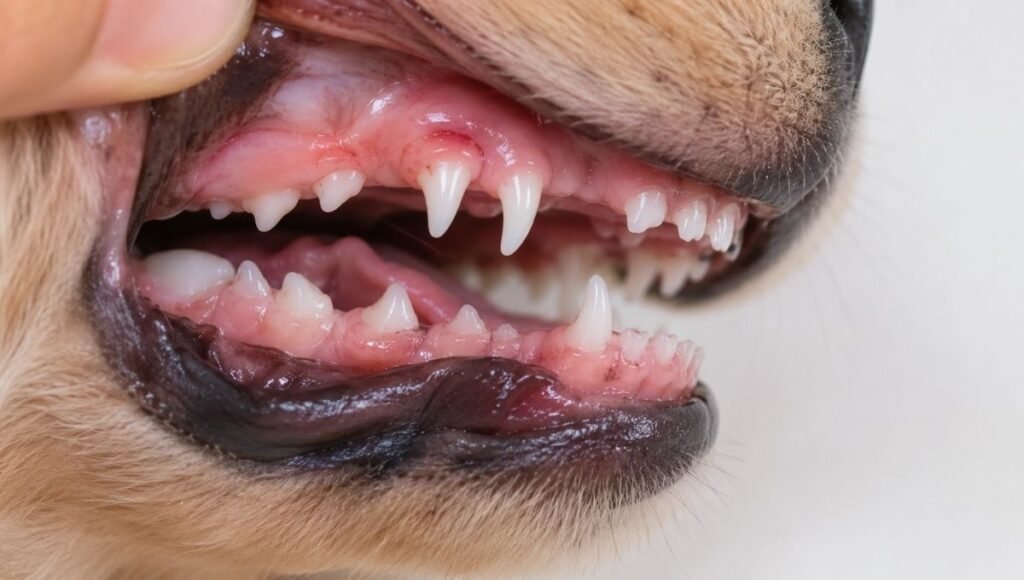
2 to 4 Weeks — Baby Teeth Emerge
Your puppy is still with the breeder or rescue at this stage. Around 2 to 3 weeks of age, their baby teeth begin to come in. These tiny, needle-sharp teeth are called deciduous teeth — the same word used for deciduous trees that lose their leaves, because these teeth are always meant to be temporary.
You probably won’t witness this stage firsthand. But it’s worth knowing that by the time most puppies come home at 8 weeks, they already have a full set of 28 baby teeth, which is why early mouthing and nipping is already present from day one.
8 to 12 Weeks — Mouth Exploration Peak
Your puppy has all their baby teeth and is using them enthusiastically. Everything goes in the mouth — your fingers, the leash, the corner of their food bowl, the leg of any piece of furniture that holds still long enough. This is normal puppy behavior, and while the biting training you do now matters, the chewing intensity at this stage isn’t yet being driven by teething discomfort. It’s driven by exploration and play.
This is the window to start biting redirection consistently. Habits formed now will either make the teething phase easier or harder.
12 to 16 Weeks — Baby Teeth Begin Falling Out
This is when teething proper begins. While puppy teeth can begin to fall out at 8 weeks of age, puppies typically begin to lose their teeth around 12 to 16 weeks, which is when their adult teeth begin to come in.
You might find small white teeth on the floor, on their bed, or stuck in a chew toy. Don’t panic when this happens — it’s completely normal, and dogs swallow most of their baby teeth, which is completely harmless.
Your puppy’s chewing will intensify noticeably during this period. The gumline is actively inflamed as teeth are loosening and being pushed out. If you haven’t already set up a chew toy rotation and implemented redirection consistently, now is the time.
4 to 6 Months — Peak Teething Phase
This is the hard stretch. The incisors, canines, and premolars are all transitioning in sequence, with adult teeth pushing through the gums to take their place. The chewing urge is at its most intense, and your puppy’s behavioral stability may seem to regress during this period — more biting, more destruction, more difficulty settling.
This regression is real and it’s physiological. The discomfort from active teething creates a baseline level of irritability that affects everything — training receptiveness, impulse control, how quickly your puppy can settle after stimulation. If your 4-month-old seems like they’ve forgotten commands they knew a month ago, teething is likely a contributing factor.
Keep training sessions short, keep expectations realistic, and keep the frozen toys coming.
5 to 7 Months — Adult Teeth Fully In
The most intense phase is winding down. By six to seven months, most puppies will have almost all of their adult teeth, totaling around 42 teeth. The chewing may begin to moderate as the physical discomfort resolves.
However — and this matters — the chewing habit that developed during the peak teething phase doesn’t automatically disappear when the discomfort does. A puppy who spent three months learning that chewing furniture brought relief has been reinforced hundreds of times. That’s a strong habit. It requires active continuation of the redirection and management strategies even after teething ends.
8 Months and Beyond — Post-Teething Assessment
If your puppy is past 8 months and still showing signs of teething or losing teeth, consult your veterinarian. Retained baby teeth — baby teeth that don’t fall out despite adult teeth coming in — can cause crowding and dental problems that require veterinary intervention.
If chewing persists past 8 months without the discomfort trigger, the issue has shifted from teething to behavioral habit, boredom, or anxiety. The solutions are different: more enrichment, more structured exercise, and continued training rather than teething-specific interventions.
Puppy Teething Symptoms: What’s Normal and What Needs Attention
Normal symptoms during teething
Dramatically increased chewing. Everything becomes a target. This is the defining feature of the teething phase and the source of most furniture casualties.
Mild gum bleeding. Don’t freak out if you spot a little blood on your puppy’s favorite chew toys — it’s normal and won’t hurt them. A small amount of blood on toys or at the gumline as teeth loosen and shift is expected.
Drooling more than usual. Increased saliva production is a common response to gum inflammation. If your puppy is suddenly drooling noticeably more during this period, it’s usually teething-related.
Finding teeth around the house. Tiny white teeth materializing on your floor or in your puppy’s bed is not alarming — it means the process is working as intended.
Temporary reduction in appetite. Sore gums make eating uncomfortable. Loss of appetite — sore gums may make eating uncomfortable, and your puppy may suddenly become picky or avoid crunchy kibble — teething may be the reason. If your puppy goes off food during the peak teething phase, offering slightly softened kibble (soaked in warm water for a few minutes) can help.
More irritability and restlessness. Your previously cheerful puppy may seem grumpy, less tolerant of handling, quicker to mouth during play. This is the behavioral expression of physical discomfort. It’s temporary and responds well to the management strategies below.
Symptoms that warrant a vet call
Persistent, heavy bleeding. A small amount is normal; significant or ongoing bleeding from the gums is not. If blood is flowing rather than spotting, call your vet.
Extreme refusal to eat for more than 24 to 48 hours. Reduced appetite is expected; complete food refusal that persists is worth checking.
Foul breath beyond normal “puppy breath.” Mild puppy breath is normal. A genuinely rotten or strongly foul smell can indicate infection.
Baby teeth that haven’t fallen out by 6 months. Retained baby teeth can lead to dental issues down the line. If you can see a baby tooth still in place alongside the adult tooth erupting behind it, your vet may need to remove it.
Signs of pain when you touch the mouth area. Some sensitivity is normal. Significant pain responses, pulling away hard, or yelping when the mouth is approached gently warrants checking.
How to Actually Help a Teething Puppy (What Works vs. What Doesn’t)

The Frozen Toy Method — Your Most Effective Tool
Cold numbs inflamed tissue. This is basic physiology, and it’s why the frozen toy method is consistently the most effective home intervention for teething puppies. The cold provides direct gum relief while simultaneously giving your puppy an appropriate chew outlet.
How to do it properly:
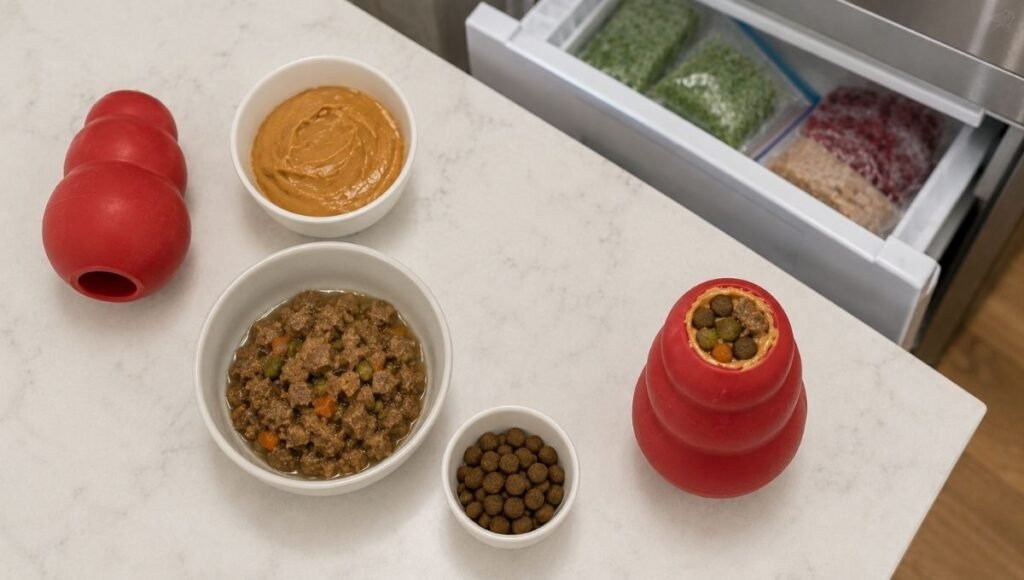
Rubber Kong-style toys are the best vessel. Stuff the Kong with a combination of wet dog food, peanut butter (xylitol-free — always check), or soft treats mixed with kibble. Seal the large end with a piece of banana or additional wet food. Freeze overnight.
Keep 2 to 3 Kongs in the freezer at all times, rotating them so you always have one ready. The frozen Kong takes longer to finish than a room-temperature one, provides extended gum pressure, and keeps your puppy occupied — all three at once.
For a simpler option: wet a clean washcloth, wring it out partially, tie a loose knot in it, and freeze. Supervised chewing on a frozen washcloth is safe and effective for young puppies whose adult teeth are just coming in.
Frozen carrots are another popular option. Offer a cold-from-the-fridge (not frozen solid) carrot for chewing. Safe, cheap, and effective for many puppies. Always supervise and discard once it gets small enough to be a choking hazard.
What cold doesn’t do: It doesn’t address the biting redirection training your puppy needs. Cold is a pain management tool, not a training tool. Use it alongside consistent behavioral guidance, not instead of it.
Chew Toy Rotation
A single chew toy that lives in one spot becomes boring within days. The same toy your puppy was enthusiastic about on Tuesday is the toy they walk past on Saturday.
Keep a collection of 6 to 8 toys of varying textures — soft rubber, firm rubber, rope, nylon — and rotate them every 2 to 3 days. Put half away, bring them out fresh, rotate the others back. Novelty matters. A toy your puppy hasn’t seen in four days is substantially more interesting than one that’s been sitting on the floor all week.
Keep toys in every room where your puppy spends time. Accessibility is critical — if a toy isn’t within reach the moment your puppy’s gums are bothering them, they’ll find something else. That something else is usually your furniture.
Avoid hard chews like antlers or hooves, which can crack baby or adult teeth. During teething, you want materials that give slightly under pressure — firm enough to satisfy the chewing urge, soft enough not to damage teeth that are in active transition.
Redirection — Training During Teething
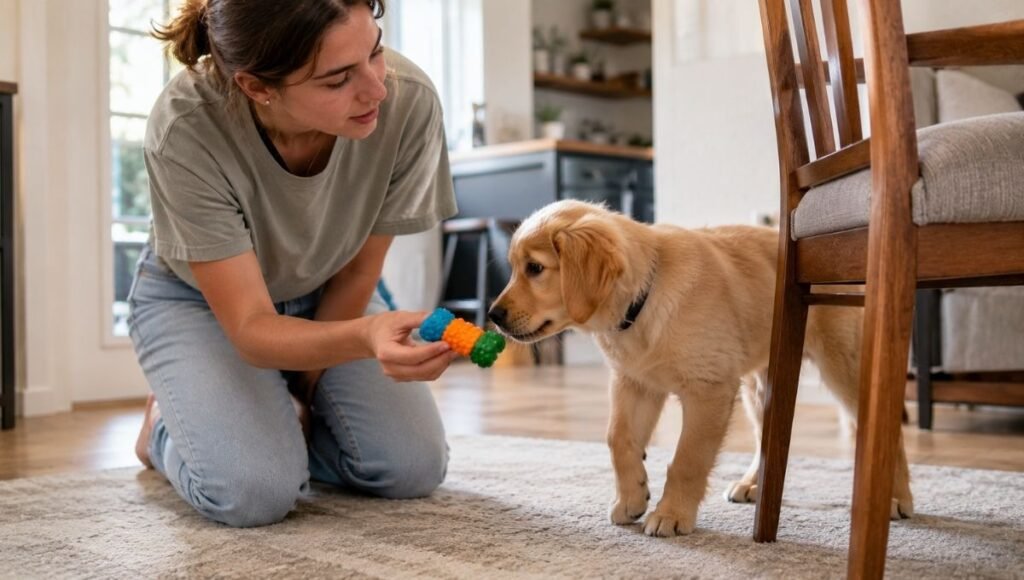
The mistake most owners make during teething: they suspend training because the puppy “can’t help it” during this phase. The result is a 7-month-old dog with no chewing limits and a fully established furniture-destruction habit.
Teething is not a training vacation. It’s a training challenge. Keep the redirection consistent even during the most intense chewing periods:
When your puppy goes for furniture or inappropriate objects: interrupt calmly, say “leave it” or “off,” immediately offer a legal chew toy. When they take the toy, brief praise. This cycle, repeated hundreds of times across the teething phase, builds the automatic choice to go for toys rather than furniture — a habit that persists long after teething ends.
Keep sessions short — 3 to 5 minutes maximum — because a teething puppy’s frustration threshold is lower than a comfortable one. End every session successfully, even if that means dropping back to a simpler task.
What Doesn’t Work
Human teething products. Never use human teething products unless instructed by your vet. Some ingredients like xylitol are toxic to dogs. Orajel and similar products contain compounds that are safe for human infants but toxic to dogs.
Yelling or punishment for chewing. Your puppy is responding to physical discomfort. Punishment doesn’t reduce the discomfort — it just adds confusion and anxiety to an already uncomfortable situation. Redirection works. Punishment doesn’t.
Removing all toys when the puppy misbehaves. Removing access to appropriate chew outlets when a puppy is actively teething ensures they find inappropriate ones. Management is the better tool: use baby gates, playpen confinement, or tethering to limit access to furniture while providing maximum access to appropriate toys.
The Teething and Biting Connection
These two things are related but not the same, and confusing them leads to treating the wrong problem.
During teething, the increased chewing urge intensifies nipping and mouthing during play. Puppies who were manageable biters at 8 weeks may become more persistent and harder-mouthed at 14 weeks, and owners often think the training has failed.
It hasn’t failed — the underlying physical discomfort is driving more intense oral behavior, which overflows into play as well as chewing.
The training response is the same as always: stop interaction immediately when teeth contact skin, redirect to a toy, resume when the toy is accepted. What changes is that you need to manage the energy level of play more actively during peak teething — shorter, calmer play sessions reduce the likelihood of biting escalation because your puppy stays below the frustration and overstimulation threshold.
Cold toys before play sessions can help: a quick 10-minute chew on a frozen Kong before play provides some gum relief, which slightly reduces the urgency of oral contact during play.
If You Only Have 10 Minutes
Life doesn’t pause for puppy teething. Here’s what to prioritize in a short window:
Prepare tomorrow’s frozen Kongs tonight. 5 minutes of stuffing and freezing gives you a full day’s worth of the most effective teething management tool. Do it while making dinner, before bed, whenever.
One redirection session. Pick up a legal chew toy, sit near your puppy, and if they go for anything inappropriate, calmly redirect. 5 minutes of consistent “this, not that” is worth doing even when time is short.
That’s it. 10 minutes a day of this, consistently, is more effective than occasional hour-long management sessions.
Puppy Teething and Dental Health for Life

The teething phase is also the ideal window to establish dental hygiene habits that protect your dog’s adult teeth for the next decade.
This is a crucial time to start good dental hygiene practices, like regular brushing, to maintain the health of their new adult teeth.
Start now with a finger brush or soft-bristled puppy toothbrush and puppy-formulated toothpaste (never human toothpaste — it contains fluoride and other compounds toxic to dogs). The goal at this stage is not cleaning effectiveness but habituation — daily gentle touching of the mouth and gums, paired with high-value treats, so that adult tooth brushing becomes an accepted routine rather than a wrestling match.
Periodontal disease affects the majority of dogs over three years old. Starting dental hygiene during the teething phase — when your puppy’s mouth is already being handled regularly for teething management — is the lowest-friction point to build this habit. Don’t miss it.
FAQ: What New Puppy Owners Actually Search For
When do puppies lose their baby teeth? Most start to lose their teeth when they’re around 3 and a half months old, though some don’t start until they’re 4 or 5 months old. The incisors go first, followed by the canines and premolars. By 6 to 7 months, most puppies have their full set of 42 adult teeth.
Is it normal to find puppy teeth around the house? Completely normal. Dogs swallow most of their baby teeth, which is completely harmless, but you might spot a few lying on the floor. Finding tiny white teeth in your puppy’s bed, on the carpet, or in their toys is a sign the process is progressing normally.
My puppy has blood on their toys — should I be worried? Don’t freak out if you spot a little blood on your puppy’s favorite chew toys — it’s normal and won’t hurt them. A small amount of blood as teeth loosen and adult teeth push through is expected. Heavy, persistent bleeding warrants a vet call.
How long does puppy teething last? The active teething phase runs from approximately 12 weeks to 6 to 7 months. The most intense period is typically 12 to 20 weeks. Most puppies have their full adult dentition by 7 months, after which the teething-driven chewing should begin to moderate.
Can I give my puppy ice cubes for teething? Ice cubes are generally safe for supervised chewing and can provide gum relief. Monitor that your puppy is chewing rather than gulping them whole, which can be a choking risk for small breeds. Frozen carrots or frozen rubber toys are often more satisfying alternatives because they offer more resistance.
My puppy won’t stop biting my hands during teething — what do I do? The teething phase intensifies oral behavior, but the training response is the same: stop interaction the moment teeth contact skin, wait for calm, offer a legal chew toy. Providing a frozen Kong before play sessions can reduce intensity. Keep play sessions shorter during peak teething — overstimulation escalates biting.
Should I take my puppy to the vet during teething? Routine teething doesn’t require a veterinary visit on its own. However, bring it up at any scheduled wellness visit. Alert your vet if you notice: baby teeth that appear to still be present at 6 months, significant or persistent gum bleeding, extreme food refusal, or signs of mouth pain beyond normal sensitivity.
The Bottom Line
Puppy teething is not an emergency. It’s not a training failure. It’s a predictable biological process with a clear timeline, identifiable symptoms, and a set of genuinely effective interventions.
The owners who navigate this phase most successfully are not the ones who fight the chewing — they’re the ones who channel it. Frozen Kongs rotating through the freezer. A collection of toys in every room. Consistent redirection that runs in parallel with the physical management. Dental hygiene habits started while the window is easy.
The teething phase lasts roughly 3 to 4 months at its most intense. That’s a finite window. On the other side of it is a dog with a full set of adult teeth, a gradually settling chewing habit, and — if you’ve been consistent — a strong preference for toys over furniture.
Start the frozen Kongs tonight. The rest follows.

What to Read Next
Teething connects to several other critical first-year topics:
- How to Stop Puppy Biting: The Positive Reinforcement Guide — The complete biting training system that runs parallel to teething management
- Puppy Development Stages: Week-by-Week Guide — How teething fits into the broader physical and behavioral development timeline
- What to Feed a Puppy: The No-Confusion Food Guide — How to adjust feeding during teething when sore gums affect appetite
- How to Train a Puppy: The Complete First-Year Guide — Keeping training consistent during the most challenging behavioral phase
- New Puppy Checklist: Everything You Need Before Day One — Including the chew toy collection and frozen Kong supplies to have ready from the start
References
- American Kennel Club. (2026). Puppy Teething: What to Expect. akc.org
- PetMD / Veterinary Review Team. (2023). When Do Puppies Stop Teething? petmd.com
- Chewy / Eldredge, D., DVM. (2025). Puppy Teething: What to Expect and How to Help. chewy.com
- Ingham, K.E., Gorrel, C., Blackburn, J., & Farnsworth, W. (2001). Prevalence of periodontal disease in a population of cats. Journal of Small Animal Practice, 42(9), 439–443. (Referenced for periodontal disease prevalence data applicable across companion animal species.)
- Gorrel, C. (2008). Veterinary Dentistry for the General Practitioner (2nd ed.). Saunders Elsevier.